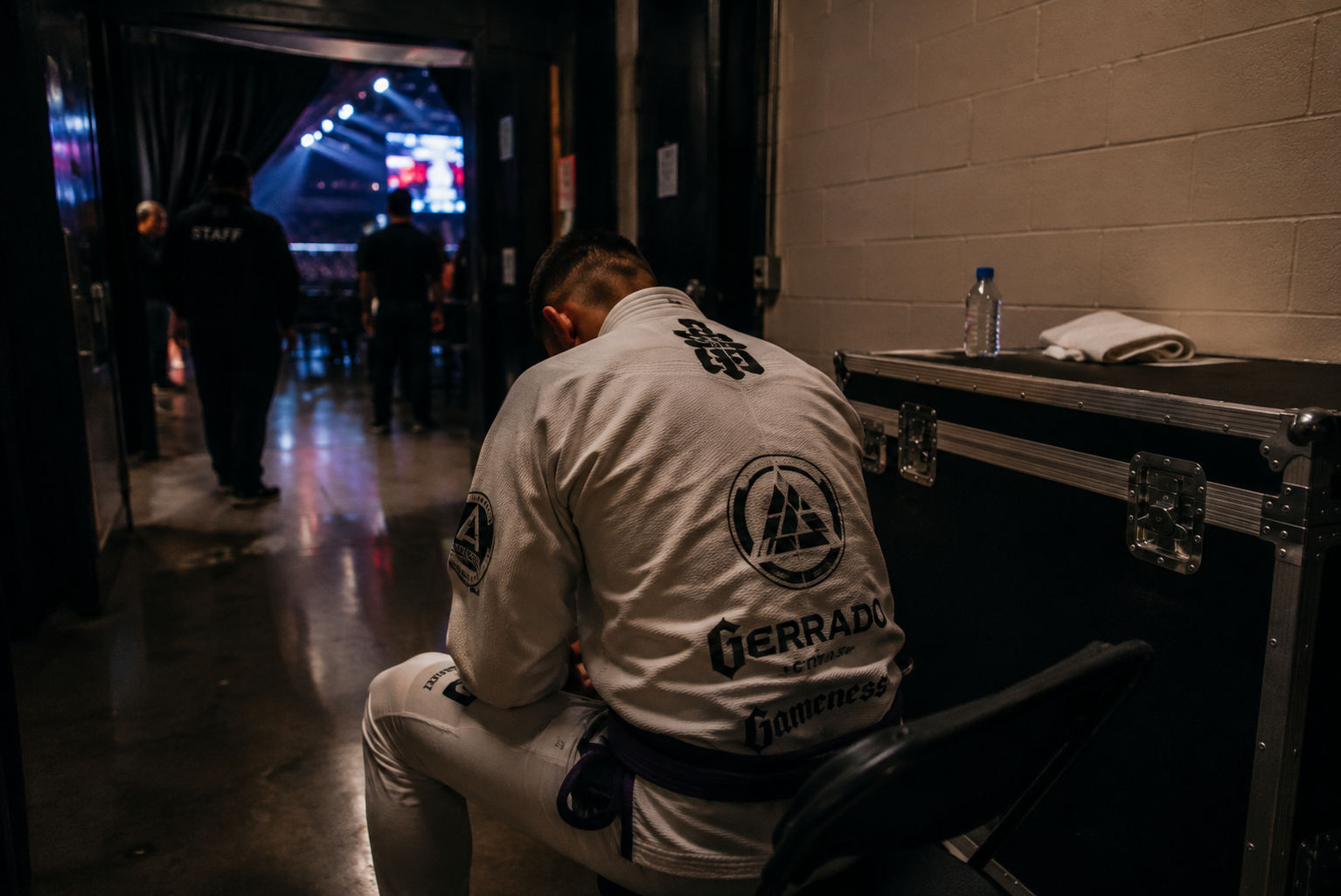
Competition begins long before an athlete enters the public space.
In combat sports, the hours before a match can involve preparation, warm-up, coaching, equipment checks, waiting periods and constant changes in intensity.
The athlete is preparing to perform.
The event team has a different responsibility: making sure the environment around that preparation works.
This is where athlete flow becomes important.
Competition and coaching environments make one thing clear: athletes do not experience an event the same way spectators do.
For spectators, waiting is part of the day.
For an athlete, uncertainty around timing can affect an entire preparation routine.
A delayed call, unclear information or unnecessary movement between different areas may seem like small operational details. For someone preparing to compete, they become another thing to process.
Good athlete operations therefore rely on three basic principles:
clear timing, clear movement and clear points of contact.
Athletes should know where they are expected, what happens next and who is responsible for communicating changes.
The same principle applies whether the environment is a martial arts tournament, a fighting-game competition or another live sporting event.
There is also an important difference between controlling athletes and supporting them.
Strong participant operations should not become intrusive.
The objective is to create enough structure that the athlete can stop thinking about logistics.
When this works, staff become reliable reference points inside an environment that can otherwise feel chaotic.
That requires calm communication, awareness of timing and an understanding that different participants react differently under pressure.
Live events are often judged by what happens in front of the audience.
But much of the quality of an event is created somewhere else:
in corridors, waiting areas, warm-up spaces and the transitions nobody sees.